
The Uncomfortable Truth About Steve Jobs: How Ruthlessness Built Apple's Empire
Steve Jobs wasn't a good person by conventional standards—he was manipulative, cruel, and willing to destroy careers for his vision. Yet this very ruthlessness transformed Apple from a garage startup into the world's most valuable company, raising uncomfortable questions about the true cost of revolutionary success.
One story. Every Sunday. A long-form business, tech or strategy file — sourced, decoded, read in ten minutes.
Editor’s picks

How MrBeast Built a Billion-Dollar Empire From His Bedroom
Jimmy Donaldson didn't just crack the YouTube algorithm — he reverse-engineered attention itself. Inside the playbook that turned a teenager into a media mogul.

How Sam Altman Became the Most Powerful Person in Tech
From Y Combinator president to OpenAI CEO to the closest thing tech has to a world leader.

How the Collison Brothers Conquered Online Payments Without Anyone Noticing
Patrick and John Collison built Stripe by solving a problem nobody else thought mattered: developer friction.
The latest
 Creator Economy051
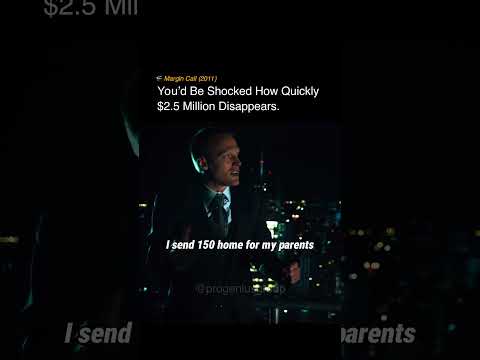
The Reality of Spending £2.5 Million: A High Earner's Financial Breakdown
A candid look at how quickly £2.5 million disappears when you factor in taxes, mortgages, and lifestyle expenses. The conversation reveals the sobering reality that even substantial earnings can vanish rapidly through everyday financial obligations.
 Creator Economy050
The Art of Political Non-Answers: Why Leaders Never Actually Address the Question
Politicians and corporate leaders have mastered the art of appearing to answer questions whilst revealing absolutely nothing. This calculated evasion has become so institutionalised that we barely notice when our most pressing queries go unanswered.
 Creator Economy049
The Psychology Behind IKEA's Inescapable Maze: How One Swedish Retailer Perfected the Art of Forced Discovery
IKEA revolutionised retail by removing customer choice and creating a forced journey through their entire store. This deliberate elimination of navigation freedom exploits decision fatigue to drive impulse purchases.
 Founder Profile048
The Law of 250: How Joe Girard Built the Greatest Sales Empire Without Spending a Penny on Advertising
Joe Girard, a high school dropout with a stutter, sold 13,001 cars in 15 years by understanding that every customer connects to 250 potential buyers. His relationship-first approach laid the groundwork for every modern growth strategy we see today.
 Founder Profile047
The Psychology of Reframing: How One Conversation Reveals the Art of Strategic Persuasion
A brief exchange between a young boy and his mother demonstrates advanced persuasion techniques that most business leaders never master. The conversation reveals how reframing arguments as opportunities can shift power dynamics entirely.
 Creator Economy046
The Terrifying Truth About Authority: Why 65% of People Will Inflict Pain Because Someone in a Lab Coat Told Them To
Stanley Milgram's 1961 experiment revealed that ordinary people will commit acts they know are wrong when instructed by authority figures. The findings expose how institutional power overrides personal judgment with alarming consistency.
The Reality of Spending £2.5 Million: A High Earner's Financial Breakdown
A candid look at how quickly £2.5 million disappears when you factor in taxes, mortgages, and lifestyle expenses. The conversation reveals the sobering reality that even substantial earnings can vanish rapidly through everyday financial obligations.
Read the file →One long-form story. Every Sunday. Read in ten minutes.
Sourced, decoded, written in British editorial English. For founders and operators who want the strategy behind the headlines.
From the archive · Founder Profile

The Ghost Employee: How One Man's Six-Year Absence Exposed the Fatal Flaw in Every Large Organisation
When Spanish civil servant Joaquin Garcia stopped showing up to work in 2004, nobody noticed for six years—revealing a dangerous blind spot that exists in every large organisation. His case exposes how the assumption that 'someone else is watching' can create costly gaps in accountability.

The McDonald's Heist: How Legal Contracts Can Be Used to Steal Companies
Ray Kroc's takeover of McDonald's from its founding brothers reveals a blueprint for corporate acquisition that remains terrifyingly relevant today. This wasn't theft in the legal sense, but a masterclass in using superior resources and legal knowledge to systematically outmanoeuvre innovators.

The Dollar Coin Loophole: How One Man Turned Government Policy into 4 Million Air Miles
Brad Wilson exploited a US Mint programme designed to circulate unwanted dollar coins, using his credit card to order thousands of coins, deposit them, and collect millions of air miles. His scheme was so effective that the government changed federal law specifically to stop it.
From the archive · Money Moves

The Russian Who Beat the Banks at Their Own Game
Dimitri Agarkov turned the tables on Russia's banking system by rewriting a credit card contract and getting the bank to unknowingly sign it. His audacious legal gambit resulted in a $700,000 victory against one of Russia's most powerful financial institutions.

Billionaires Who Never Were: Fortunes Lost to a Single Decision
A single signature, a rejected handshake, a moment of hesitation — some of the biggest fortunes in history were lost before they were ever made. These are the deals that didn't happen.

How Formula One Went From Bankrupt to a $20 Billion Media Empire
Liberty Media transformed F1 from a dying sport into a global streaming phenomenon worth more than most countries.