Inside the Luxury Machine:How LVMH Prints Money
Bernard Arnault's empire of 75 brands and the economics that let him print billions.
Opening
Bernard Arnault sits atop the world's wealth rankings not because he invented the next iPhone. He cracked the luxury code: a Dior handbag's £2,000 price tag has virtually nothing to do with the £50 worth of leather inside it.
LVMH owns 75 brands. Louis Vuitton, Fendi, Celine, Dior, Givenchy. Each carries its own story, its own clientele. Arnault's job is simple: extract maximum cash while keeping the mystique intact. The system works like clockwork.
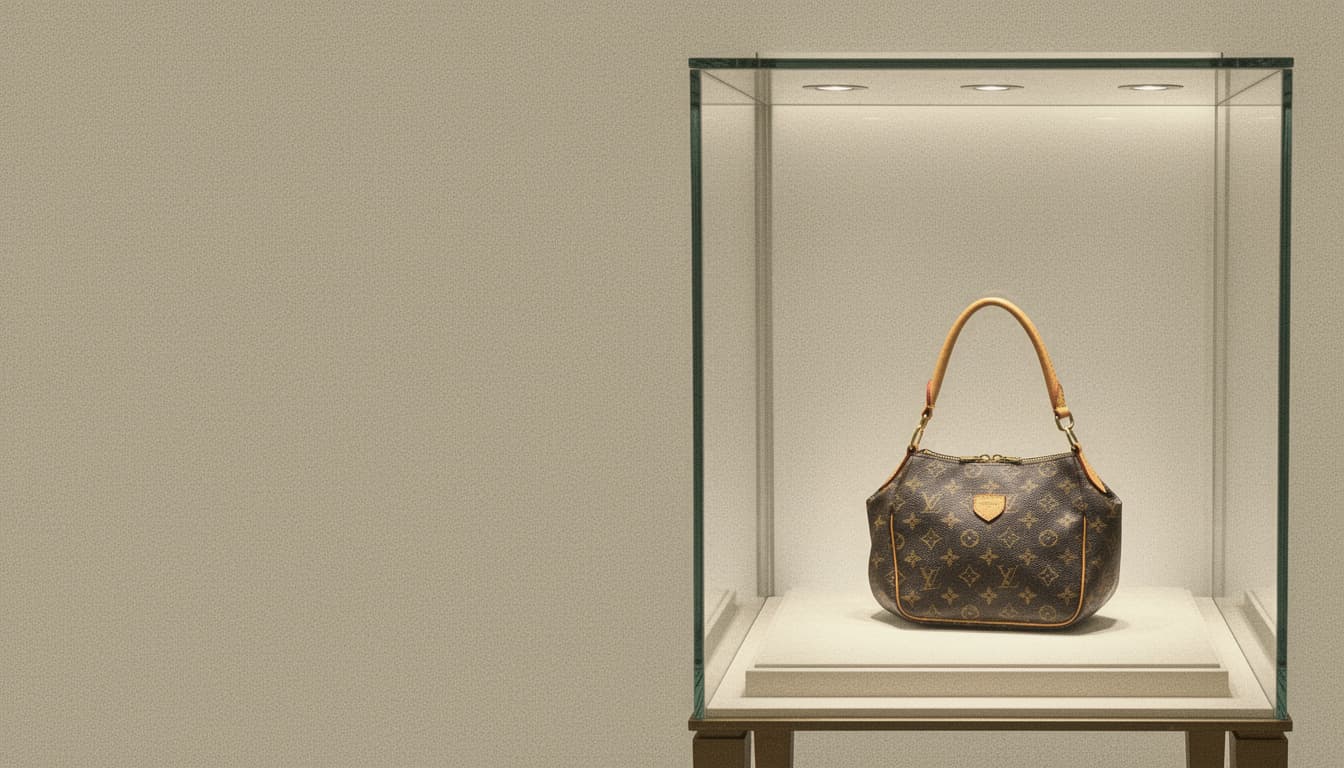
The maths are staggering. That Louis Vuitton bag costs £60 in materials and labour. It sells for £2,500. Call it what it is: a tax on wanting something badly enough. The LV monogram is worth £2,440 to someone. The actual bag is almost beside the point.
Most companies fight in commodity hell. Make stuff. Price it low. Hope for volume. Luxury operates in another universe entirely. Make stuff. Wrap it in heritage and exclusivity. Keep raising prices until people stop buying. The margins aren't just better. They're obscene.
Call it what it is: a tax on wanting something badly enough.
The Portfolio Play
Arnault's masterstroke was realising you don't need one massive brand. You need dozens of distinct ones. Same customer buys a Fendi bag for the office, a Louis Vuitton trunk for holidays, Celine for dinner out. All LVMH revenue. But she never thinks about Arnault's empire. She thinks about three separate luxury houses.
This stops brands cannibalising each other. Creates price tiers without cheapening the top shelf. Delivers economies of scale without killing exclusivity. Each brand gets its own creative director, its own story, its own shops. Behind the scenes, they share suppliers, factories, distribution. LVMH negotiates leather deals as a £100 billion buyer across 75 brands. Individual brands can't match that leverage.
The scale builds a moat. Want to launch a competing luxury house? You start with zero heritage. Dior has 70 years of stories. These can't be manufactured overnight. And because LVMH owns so many brands, it controls production inputs through acquisition or exclusive deals.
The Acquisition Formula
Arnault spots undervalued brands with heritage and potential, buys them, then extracts enormous returns through better operations and brand elevation. When LVMH bought Fendi in 2001, it was profitable but unglamorous. Arnault installed a star creative director, repositioned upmarket, raised prices. Now it's a £3 billion asset.
The scarcity is artificial. LVMH could manufacture ten times more Fendi pieces. But abundance would kill the brand.
The playbook repeats. Find credible brands with mediocre execution. Take control. Install world-class creative talent. Plug into LVMH's distribution machine. Raise prices. Transform decent margins into extraordinary ones. Rinse and repeat 75 times.
Arnault's son Antoine now runs day-to-day operations, but the philosophy stays constant. Never dilute the brand. Never chase volume over margin. Never franchise to anyone with a chequebook. Exclusivity is the product. Scale is how you print money from it.
Call it what it is: a tax on wanting something badly enough.
The Inverted Demand Curve
Luxury breaks normal economics. Below a certain price threshold, people assume it's fake or cheap. Demand drops. Above that threshold, raising prices actually increases perceived value. A £500 Dior bag feels reasonable. A £5,000 Dior bag signals status. A £50,000 Dior bag isn't just functional. It's identity.
This creates pricing power ordinary businesses can only dream of. Hermès raises prices 10 per cent annually without losing customers. Demand often increases because the price rise itself signals exclusivity. Normal businesses would lose a third of customers with a 10 per cent hike. Luxury operates differently.
Arnault understood luxury isn't about the product. It's about making people believe paying ten times cost is rational.
The margin expansion is brutal. If a Dior coat carries 90 per cent gross margins and LVMH improves that to 92 per cent through better buying or slight redesign, that's 2 per cent on a potentially £200 million product line. Profit scales without much extra work.
Distribution Control
LVMH guards distribution fiercely. Most Dior pieces only sell through Dior stores, Dior websites, and handpicked luxury retailers. You cannot buy new Dior at discount shops. This protects pricing power. If Dior appeared at Costco, the £2,500 price would collapse instantly.
This gatekeeping controls inventory and perception. New Fendi collection only available in 40 boutiques worldwide? Scarcity is built in. People fly to Paris or Milan to shop. They Instagram the experience. The brand becomes more valuable.
The scarcity is artificial. LVMH could manufacture ten times more Fendi pieces. But abundance would kill the brand. So they maintain scarcity even when demand vastly exceeds supply. Efficiency madness. Luxury genius.
The scarcity is artificial. LVMH could manufacture ten times more Fendi pieces. But abundance would kill the brand.
The Cash Factory
LVMH's operating profit margin hovers around 20 per cent. Apple, one of the world's most profitable companies, runs at roughly 30 per cent. But Apple deals with commodity hardware at massive scale. LVMH sells leather goods and champagne with 80 to 90 per cent gross margins. The consolidated margin reflects overhead and underperforming assets. The core business is extraordinarily profitable.
This cash gets reinvested in more acquisitions, more stores, portfolio elevation. But increasingly, it flows to shareholders. LVMH has bought back tens of billions in stock, paid dividends, accumulated cash.
The haunting question: does the model survive economic downturns? In recessions, luxury demand typically falls faster than mass-market demand. People cut the £2,500 handbag before they cut groceries. LVMH's answer: own brands at multiple price points. If the £5,000 segment shrinks, the £500 segment compensates.
The Succession Challenge
Arnault is 74. Succession matters. Luxury brands often live or die with founders. Losing the founder can mean losing the magic. But LVMH is large enough that systems and culture matter as much as personality. Multiple potential successors are trained. The probability LVMH remains dominant after Arnault is high.
But there's a deeper question: can anyone maintain the philosophical discipline luxury conglomerates require? The temptation always exists to chase volume, cut prices, expand distribution. Arnault's successor will face pressure from activists and investors to do exactly that. Resisting takes strength that separates luxury empires from commodity businesses that used to be luxury.
LVMH's future depends on maintaining the core belief: exclusivity creates value. Scarcity matters. Heritage matters. Margins matter more than market share. If that changes, if the conglomerate becomes just another apparel company optimising for efficiency, it shrinks. The magic dies.
For now, the machine purrs. Arnault understood luxury isn't about the product. It's about making people believe paying ten times cost for superior materials and craftsmanship is rational. Then ensuring that belief pays dividends for decades. That belief is worth billions.
Arnault understood luxury isn't about the product. It's about making people believe paying ten times cost is rational.
End of file
The next one drops Sunday at 7am.
One long-form story a week, plus the tools, frameworks and tactics I’m using to run my own media business. Written from the operator’s seat — not the consultant’s.
No threads. No spam. Reply anytime — I read every one.