The Dragon's Den Success Who Built a £13 Million Empire from Adversity
Rachel Watkin transformed personal hardship into business gold, building the UK's largest online green packaging company from her bedroom. Her journey from war zones to Dragon's Den victory proves that the most unlikely entrepreneurs often create the most extraordinary companies.
Opening
Most entrepreneurs hunt for market gaps in boardrooms and spreadsheets. Rachel Watkin found hers whilst dodging bullets in Sierra Leone and fighting cancer twice.
The founder of Tiny Box Company didn't stumble into her £13 million green packaging empire. She hammered it out from a lifetime of refusing to quit when everything went sideways.
Watkin's childhood was the sort that either shatters you completely or builds titanium-strength resilience. Growing up where stability was a foreign concept, she learned comfort zones are luxuries most people can't afford. By the time she found herself working in war-torn Sierra Leone, danger was just another Tuesday.
But here's the thing: chaos sharpened her business instincts. When you've survived genuine hardship, spotting opportunities becomes less about theoretical market analysis and more about recognising real, screaming needs.
Most entrepreneurs hunt for market gaps in boardrooms and spreadsheets. Rachel Watkin found hers whilst dodging bullets in Sierra Leone.
The Problem That Built an Empire
In 2007, Watkin was launching a fair trade jewellery business when she hit a wall. There was simply no easy way to source eco-friendly packaging. For most people, minor inconvenience. For Watkin, a business opportunity screaming for attention.
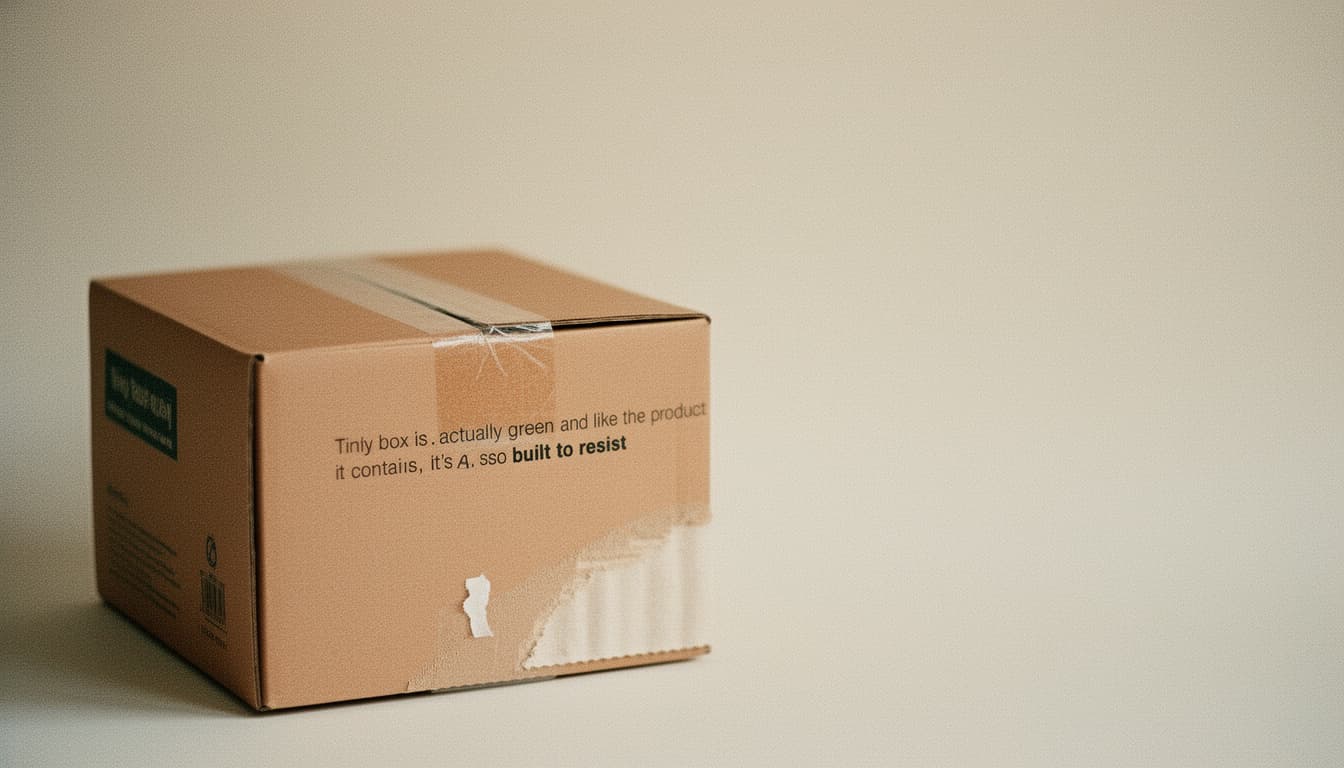
Operating from her bedroom, she founded Tiny Box Company to plug this gap. No extensive market research. No venture capital backing. Just the practical reality of an entrepreneur who needed a solution and couldn't find one.
This is what separates real entrepreneurs from the theoretical crowd. Watkin wasn't chasing trends or trying to disrupt industries for sport. She was solving a problem she'd lived through.
The Dragon's Den Validation
When Watkin pitched on Dragon's Den, she secured £60,000 that would prove explosive. The real value wasn't just the money though. It was validation that her instincts were spot on. The green packaging market wasn't just a niche play. It was a sector about to explode.
When you've faced genuine hardship, business challenges feel manageable by comparison.
What followed was bedroom-startup-to-industry-leader growth. Tiny Box Company now turns over £13 million annually, employs more than 90 people, and runs its own manufacturing plant. Watkin holds the title of most successful woman ever to appear on Dragon's Den. That speaks to both her business skills and the frustrating scarcity of female entrepreneurial success at this level.
Most entrepreneurs hunt for market gaps in boardrooms and spreadsheets. Rachel Watkin found hers whilst dodging bullets in Sierra Leone.
Strategic Expansion During Crisis
Watkin's vision stretched beyond just growing Tiny Box Company. During COVID, when small businesses faced extinction-level challenges, she launched Tiny Marketplace to support struggling entrepreneurs. This wasn't opportunistic expansion. It was strategic diversification that strengthened her core business whilst addressing genuine market need.
The timing showed the market awareness that separates successful entrepreneurs from one-hit wonders. Whilst others retreated, Watkin expanded, using adversity as a springboard rather than an excuse.
Fighting Cancer Whilst Building an Empire
Here's the remarkable bit: Watkin built and scaled this empire whilst battling cancer twice. Running a rapidly growing business is brutal enough without facing life-threatening illness simultaneously. Yet she continued leading, innovating, and expanding even when her personal circumstances couldn't have been worse.
The most powerful business weapon isn't capital, connections, or credentials. It's the unbreakable determination that comes from refusing to be defeated.
This isn't inspirational fluff. It's a masterclass in the mental resilience that defines exceptional entrepreneurs. When stakes are highest, when pressure is most intense, the best business leaders don't just survive. They thrive.
When you've faced genuine hardship, business challenges feel manageable by comparison.
Timing the Green Revolution
Today, Watkin runs the UK's largest online green packaging business precisely when environmental consciousness shifted from nice-to-have to business-critical. Her early recognition of this trend wasn't prophetic. It was pragmatic. She saw businesses struggling with the same problem she'd faced and built a solution that could scale.
Tiny Box Company's success reflects a broader shift in how businesses approach sustainability. What began as ethical positioning became operational necessity, and Watkin positioned herself at the centre years before it went mainstream.
The Unlikely Advantage
Watkin's background might seem like obstacles to business success. War zones, cancer, childhood adversity. In reality, they were her greatest advantages. When you've faced genuine hardship, business challenges feel manageable by comparison. When survival has been uncertain, commercial risk feels almost trivial.
This perspective gives unlikely entrepreneurs like Watkin a competitive edge no MBA programme can teach. They understand businesses, like people, are tested not by performance in ideal conditions but by resilience when everything goes wrong.
Rachel Watkin's journey from bedroom startup to £13 million empire proves the most powerful business weapon isn't capital, connections, or credentials. It's the unbreakable determination that comes from refusing to be defeated, no matter what life throws at you.
Watch the documentary
The Dragon's Den Success Who Built a £13 Million Empire from Adversity
The most powerful business weapon isn't capital, connections, or credentials. It's the unbreakable determination that comes from refusing to be defeated.
End of file
The next one drops Sunday at 7am.
One long-form story a week, plus the tools, frameworks and tactics I’m using to run my own media business. Written from the operator’s seat — not the consultant’s.
No threads. No spam. Reply anytime — I read every one.